SEO should influence the website before design begins
SEO is often added during the final week of a website project as a list of titles and descriptions. By that point, the most important decisions may already be fixed: page structure, URLs, content ownership, CMS fields, internal linking, and technical architecture.
A new website in Portugal needs a search plan that connects business services with the language and location of potential customers. The plan should distinguish between someone researching a topic, comparing suppliers, checking prices, and looking for a company in Lisbon or another city.
The goal is not to create a page for every keyword variation. It is to build a clear architecture in which each important page answers a distinct intent and can be maintained over time.
Start with service and audience mapping
List the services the business actually wants to sell, the industries or customer types it serves, and the locations that matter. Then describe the questions prospects ask before buying. These categories become the basis for keyword and content research.
For R5 Studio, “web development,” “custom software,” “AI automation,” “UI/UX design,” “app development,” and “SEO” represent different commercial intents. Combining all of them into one generic services page limits relevance. Each priority service should have a dedicated section or page with specific outcomes, process, evidence, FAQs, and calls to action.
Avoid creating near-duplicate pages such as “web design Lisbon,” “website design Lisbon,” and “web designer Lisbon” unless they serve genuinely different needs. One strong page can naturally use related language. Duplicate pages compete with each other and create thin content.
Design a crawlable site architecture
Important pages should be reachable through normal HTML links from navigation or contextual content. Search engines and users should not depend on internal search, hidden filters, or JavaScript events to discover core services.
Use a simple hierarchy: homepage, services, individual service pages, projects, individual project pages, about, contact, and a resource or blog section. Link articles to relevant service and project pages, and link service pages back to supporting articles.
URLs should be short, descriptive, lowercase, and stable. Avoid dates in evergreen article URLs unless the date is essential. Choose a consistent format before publishing. If old pages are being replaced, preserve URLs where the new topic matches the old intent; otherwise create a relevant new URL and apply a permanent redirect.
Build the essential technical SEO elements
Every indexable page should have a unique title, meta description, H1, canonical URL, and social sharing metadata. Titles should describe the page rather than repeat the brand first. Meta descriptions do not guarantee ranking, but they can improve clarity in search results.
Generate an XML sitemap containing canonical indexable URLs and submit it through Google Search Console. Use robots.txt to guide crawling, not to remove sensitive pages from the internet. Pages that should not appear in search may require authentication or a noindex directive depending on the situation.
Use canonical tags consistently. Internal links should point to canonical URLs. Validate status codes, redirects, trailing-slash rules, HTTP-to-HTTPS behaviour, and www versus non-www versions. Avoid redirect chains.
Treat performance as part of SEO and conversion
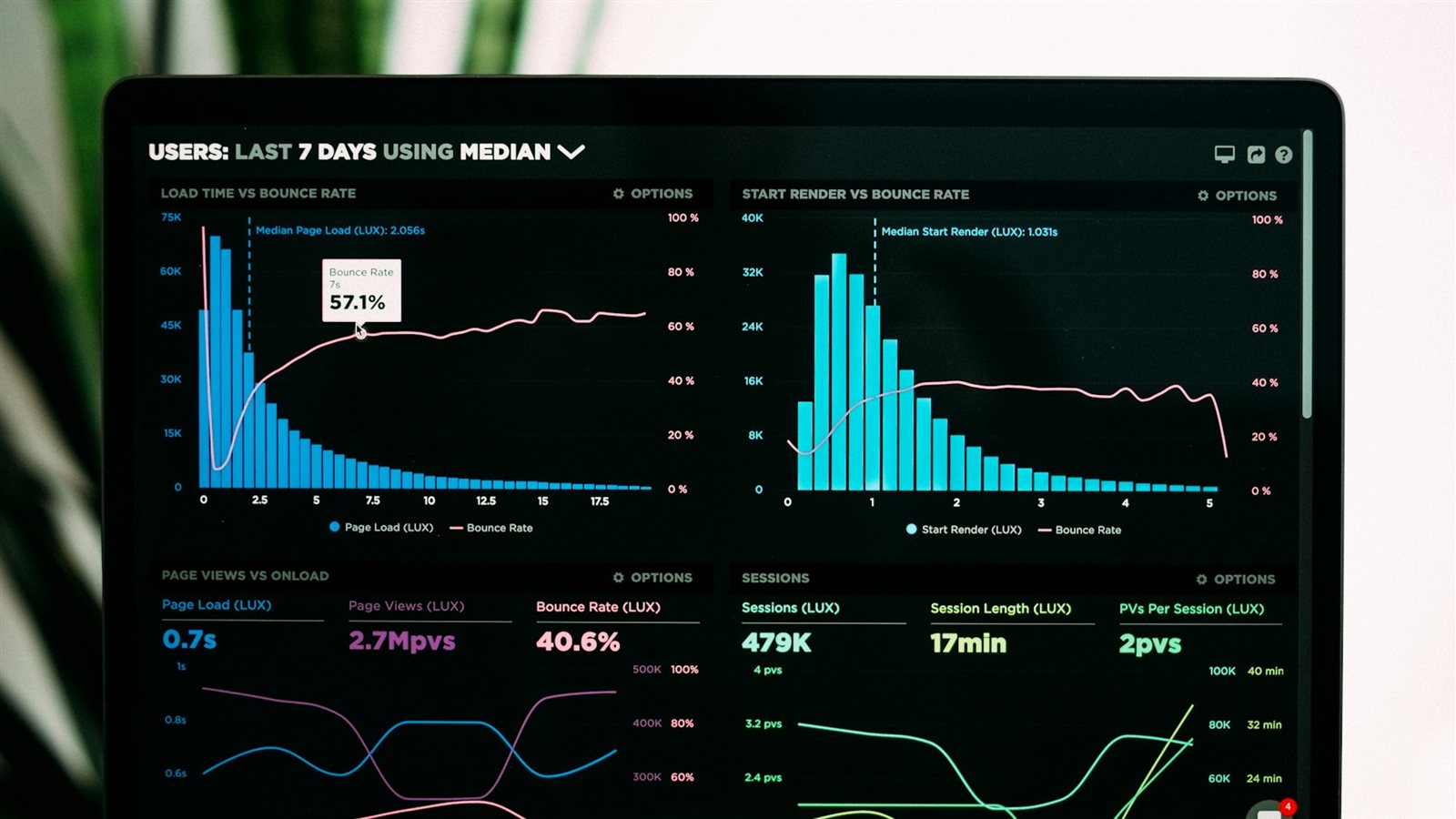
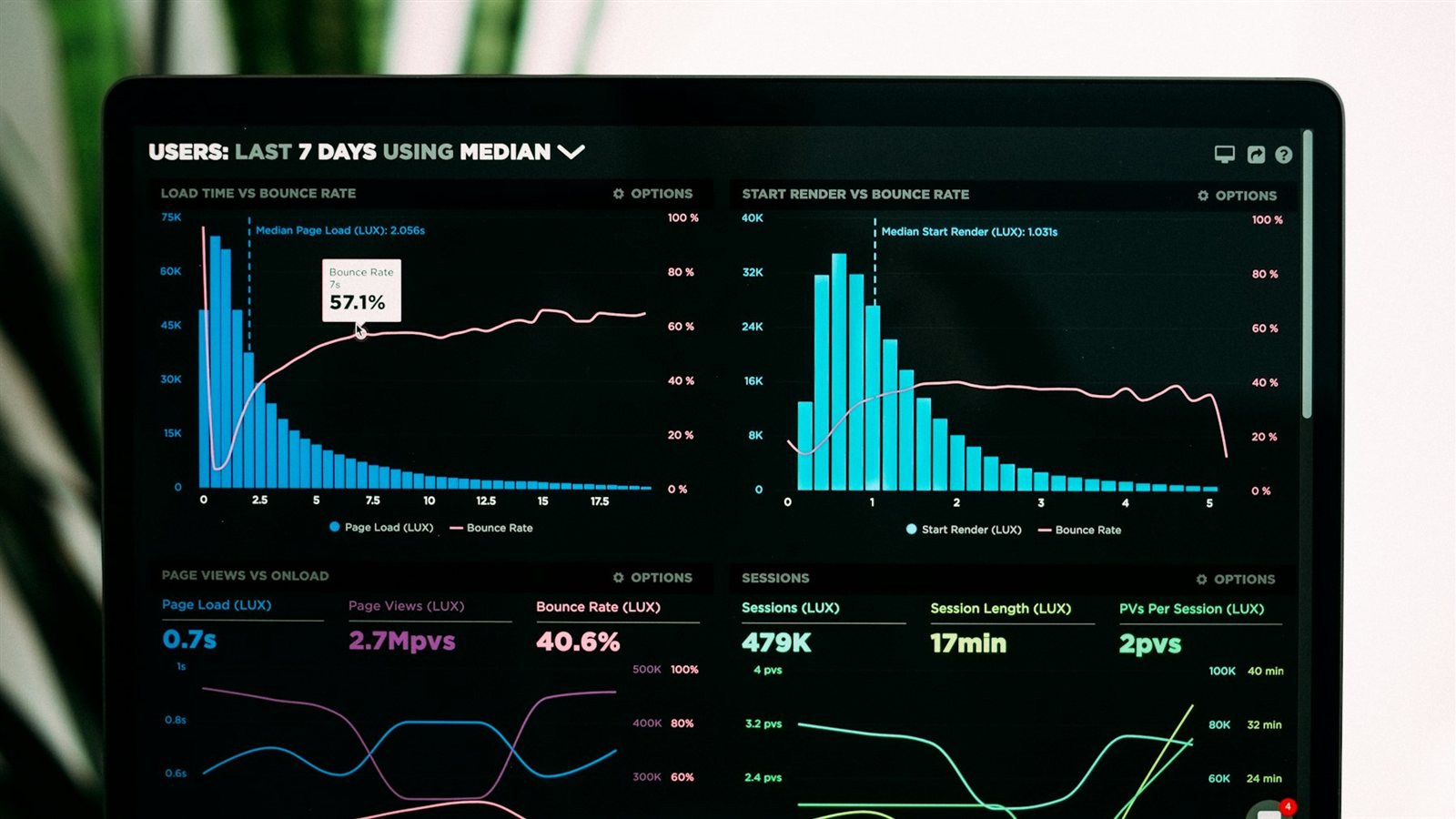
Google recommends good Core Web Vitals because they reflect real user experience. Aim for LCP within 2.5 seconds, INP below 200 milliseconds, and CLS below 0.1 at the seventy-fifth percentile of real visits.
Common problems include oversized hero images, render-blocking scripts, heavy animation libraries, delayed fonts, third-party trackers, and images without dimensions. The hero image should not be lazy-loaded if it is the LCP element. Non-critical images and embeds can be loaded later.
Use PageSpeed Insights and Search Console field data after enough traffic exists. Laboratory tests are useful for diagnosis but cannot represent every device and network. Performance budgets should be discussed before design approval so that visual decisions do not create an unfixable launch problem.