Website Development Lisbon: Web Development for Business

R5 Studio delivers website development Lisbon and web development Lisbon for SMEs and startups — clear offers, reliable builds, SEO Lisbon foundations and sites that generate enquiries.

R5 Studio Team
R5 Studio Team
Product Design & Development Studio in Lisbon
calender-image
August 5, 2026
clock-image
9 min read
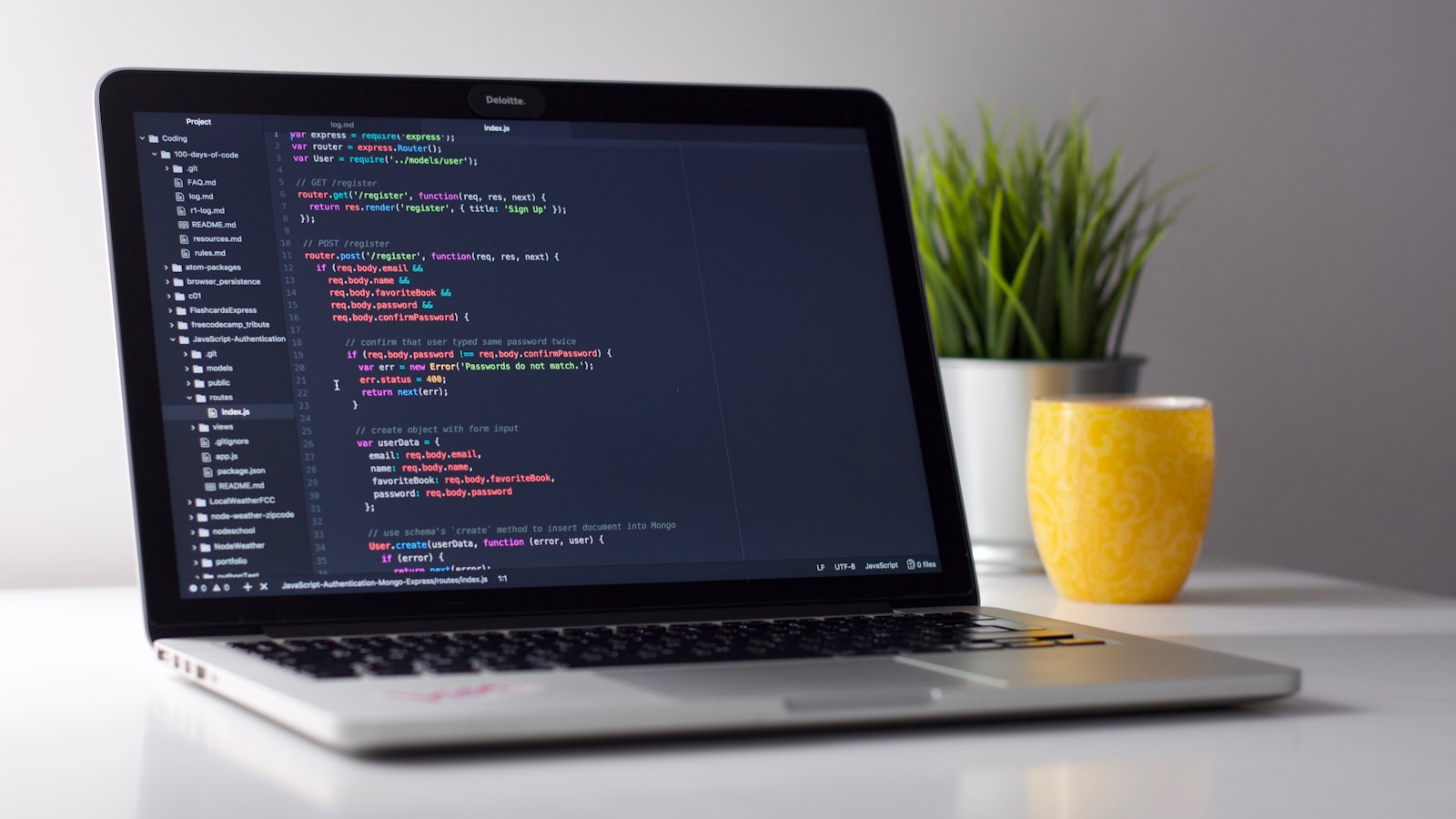
Web development team in Lisbon planning a business website

What website development Lisbon and web development Lisbon should deliver

Choosing website development Lisbon or web development Lisbon services is usually connected to a concrete business problem. A restaurant wants more direct reservations instead of relying only on platforms. A clinic needs clear service pages and qualified appointment requests. A B2B company needs prospects to understand a complex offer before a sales call. A startup needs a credible product site for customers, partners and investors. The website should therefore be planned around a decision the visitor must make, not around a generic list of pages — with web design Lisbon and SEO Lisbon built in from day one.

Start with the commercial path, not the technology

Before discussing a framework or content management system, define the audience, offer and primary conversion. The homepage must quickly explain who the company serves, what outcome it provides, why it is credible and what the visitor should do next. Supporting pages should answer the questions that normally delay a sale: price logic, process, location, availability, integrations, languages, proof and next steps.

For a Lisbon SME, a practical first scope often includes a homepage, separate service pages, an about or trust page, contact or booking flow, privacy and cookie information, and a small content area for local search. A startup may replace some of those pages with product, use-case, pricing, security, documentation or waitlist sections. The correct structure depends on how buyers evaluate the offer.

Define the deliverables before requesting quotes

A proposal is easier to compare when the expected output is specific. Ask whether the project includes discovery, sitemap, copy guidance, wireframes, custom UI design, mobile states, development, content management, form integrations, analytics, technical SEO, quality assurance and post-launch support. Two offers described as “website development” may include completely different work.

  • Business and audience workshop with one clear decision-maker.
  • Page map based on search intent and sales questions.
  • Responsive designs for real content, not only desktop mock-ups.
  • Reusable components and an editing workflow for the internal team.
  • Forms, booking, CRM, email or payment integrations where required.
  • Metadata, redirects, sitemap, analytics and launch checks.

R5 Studio combines product design and development, so the same team can connect user journeys, interface decisions and technical implementation. The available capabilities are summarised on the R5 Studio services page, while examples of digital products and websites can be reviewed in selected projects.

Responsive website moving from design files to production development

How a web development Lisbon project should run

Discovery and content reduce expensive changes

The first stage should turn assumptions into a usable brief. That means clarifying business goals, user groups, competitors, current analytics, content ownership, language requirements and integrations. For international companies in Lisbon, it is also important to decide whether Portuguese and English pages need separate editorial workflows. A language switcher alone does not solve multilingual search; each version needs its own URL, metadata and content that reads naturally.

Content must be drafted early because it controls hierarchy and layout. A short English heading can become much longer in Portuguese, and a service description written for an investor may not answer the questions of a local customer. Working with realistic copy in the wireframe stage prevents late redesigns and exposes missing evidence before development starts.

Design should cover states, not only ideal screens

Good UI/UX work includes navigation, form validation, empty states, loading behaviour, error messages, mobile menus, long content, accessibility and interaction rules. A design is not ready for development when it shows only a perfect desktop homepage. The handoff should specify components, typography, spacing, responsive behaviour, image treatment and reusable patterns so developers do not have to invent decisions page by page.

The production build should match the business operating model. A team that publishes weekly needs a manageable CMS. A campaign-led company may need reusable landing-page sections. A product business may require authentication, dashboards or API connections. Selecting technology only because it is fashionable can create unnecessary maintenance; selecting it around ownership, scale and editing needs keeps the system simpler.

Quality assurance must include business-critical actions

Testing should cover current browsers, common screen sizes, real mobile devices, forms, booking links, CRM delivery, emails, analytics events, cookie behaviour, keyboard navigation, image loading and page speed. Every conversion path should be tested from the visitor’s first click to the internal notification received by the business. A contact form that looks correct but sends enquiries to the wrong inbox is a launch failure.

Technical SEO is also part of development. Each important service needs a crawlable page, a unique title and description, a logical heading structure and internal links. Images require useful file names, dimensions and alt text. Canonicals, language annotations, redirects and sitemap entries should be checked before publication. The related guide on SEO for new websites in Portugal explains the broader launch framework.
"A useful website is not measured by the number of pages. It is measured by whether the right visitor understands the offer and completes the next step."

Budget, timeline and choosing a Lisbon web development partner

Use scope ranges rather than a single headline price

A focused landing page may take two to four weeks. A custom SME website with several service pages, content management and standard integrations often requires four to eight weeks. A multilingual site, advanced booking flow or web application can require eight to sixteen weeks or more. The schedule depends heavily on content readiness, feedback speed, integration access and the number of people approving decisions.

Planning budgets can range from roughly €1,200–€3,500 for a focused custom landing page, €3,500–€8,000 for a small business website, and €8,000–€20,000 or more for a larger multilingual or integration-heavy build. These are scope indicators, not fixed R5 Studio prices. Hosting, paid plugins, copywriting, photography, translation, advertising and long-term SEO may be separate. The detailed cost guide is available in Website Cost Lisbon 2026.

Evaluate ownership and the post-launch plan

Before selecting a supplier, confirm who owns the domain, hosting account, analytics property, design files, source code and third-party services. The client should receive access and a documented handover. Ask how backups, updates, defects and urgent issues will be handled. A lower initial quote can become expensive when every small edit depends on one unavailable person or when the business cannot move the site to another provider.

Useful warning signs include a guaranteed Google position, a quote issued without understanding the scope, unclear subcontracting, refusal to provide repository access, no testing plan and a promise to deliver a complex website in a few days while content is still unknown. A competent web development company in Lisbon should explain assumptions, exclusions and risks in plain language.

CTA: Planning a new website or replacing a site that no longer supports the business? Review the website and software services from R5 Studio and use the project brief on the site to describe your audience, required languages, key integrations and target launch date.